Lately, many of us have been experiencing neck, face, and upper back pain, headaches and new discomfort throughout our body after spending the last few months moving less, sitting more, feeling stressed and not getting enough restful sleep.
You might notice you’re clenching your jaw, talking all day on zoom meetings, snacking a bit more, and adopting new postures with your work from home set up. All of these habits can impact our TMJ.
What is TMJ?
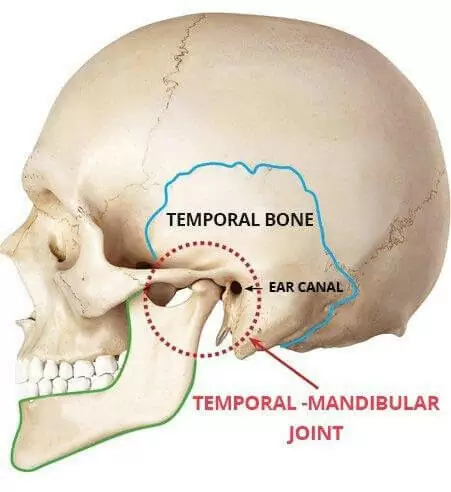
TMJ stands for Temporomandibular Joint and refers to the hinge joint that connects your jaw to your skull! Between the head of the mandible and the mandibular fossa of the temporal bone where a small disc sits between these bones to allow for smooth movement, opening and closing our mouth, chewing, talking and breathing.

TMD stands for Temporomandibular Disorder and is the umbrella term that encompasses issues with the joint or the surrounding anatomical structures. TMD can present as muscular pain and imbalances, damage to the disc inside the joint and damage to the retrodiscal tissue surrounding the joint which is highly innervated and sensitive to compression and inflammation.

Pain, limited movement of the jaw, soreness and difficulty with chewing can all be signs of TMD. Research shows that extended periods of stress, lack of sleep, teeth grinding and gripping, and prolonged postural dysfunction can all lead to TMD.
This is because some of the key muscles that attach to the face, chin and jaw insert into the neck, collarbone and shoulder blade.
So with prolonged forward head posture, and stress related postures where we hold tension in our shoulder and neck can create pressure on the tissue surrounding the TMJ, leading to compression, swelling, inflammation, poor tracking of the disc inside the joint, degeneration of the disc and pain (Holding ONE posture for an EXTENDED period of time NOT necessarily the posture itself).

A thorough assessment is essential with TMJ to ensure it is treated accordingly.
Physiotherapy and conservative management are very effective in helping you manage your symptoms and prevent further injury.
Education and strategies to help you manage your symptoms include:
- Postural education and work station modifications.
- Relaxation and stress management to decrease the compression and tension on the joint and surrounding tissue.
- Breathing to improve posture, decrease compression on the joint and improve muscle tension in neck and shoulder.
- Exercises to address jaw, head, neck and shoulder range of motion and strength.
- Strategies to limit teeth grinding (known as bruxism)
- Education on ways to Improve sleep habits and positioning.
- Education on activity modifications such as chewing, breathing, encouraging frequent position changes and increasing movement breaks throughout the day to increase circulation, healing and overall health.