
Swimming, both leisure, and sport, is enjoyed by people of all ages because of its therapeutic claims. It is considered a good cardio exercise and an amazing full-body workout that aids in the improvement of blood circulation.
A unique water sport that utilizes both upper and lower body strength, swimmers are known for their lasting endurance, strength, and overall flexibility. On the other hand, swimmers tend to get overuse injuries due to the movements done in different swim strokes.
The most common body regions affected by these injuries are the neck, shoulders, back, and knees. Most of the time, swimmers need the help of physiotherapy and other treatments to keep their bodies and overall wellness in shape.
Physiotherapy in Aiding Recovery
In swimming lessons, coaches guide swimmers on proper swimming techniques. This is where the proper coordination of the body develops which enhances balance, stamina, and cardiovascular health.
Most people, however, believe that because swimming is a low-impact sport, there are minimal risks of becoming injured. So people, especially those who would like to engage in swimming, should be aware that using improper swimming stroke techniques might result in an overuse injury.
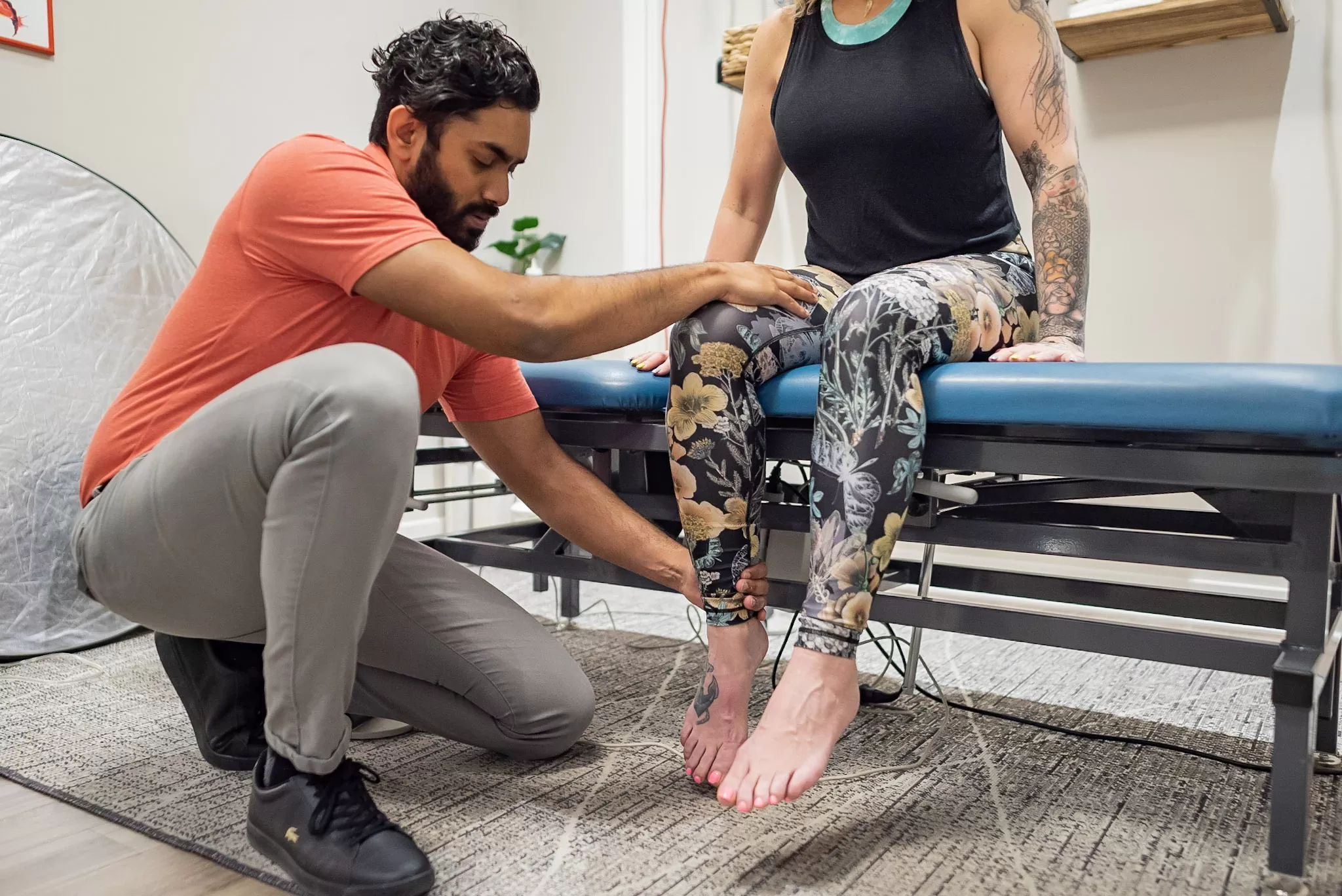
When a swimmer is affected by an injury, exhaustion, or incapacity, physiotherapy can help them regain mobility and performance. Physiotherapy can also help lower the chances of being injured or weak in the future.
There are different types of physiotherapy treatments a swimmer could receive in the light of an injury. These treatments range from bringing back flexibility, increasing the range of motion of a muscle, or helping to rehabilitate strained muscle.
Sports Physiotherapy
Sports physiotherapy is a form of physiotherapy that focuses on professional athletes and sports enthusiasts. Athletic physiotherapists are trained to identify and manage pain resulting from various types of activity. A sports physiotherapist’s job entails more than just getting athletes back on course and relieving them of pain. The focus is also on the patient’s general improvement and efficiency.
Musculoskeletal Physiotherapy
Orthopedic physiotherapy, most commonly referred to as Musculoskeletal Physiotherapy, is a therapeutic intervention that focuses on restoring the musculoskeletal system’s efficiency, including the muscles, bones, joints, tendons, and ligaments. Physiotherapy for the musculoskeletal system can improve mobility, reduce pain, heal injuries, and repair soft-tissue damage.
Rehabilitation and Pain Management
Perhaps one of the most significant features of physiotherapy is rehabilitation and pain management. Physiotherapy can assist athletes in getting rid of their body discomforts. Therapeutic approaches are frequently modified to meet the needs of individual patients. Physiotherapy is the answer for more than just helping people get their lives back on track after surgical treatment to addressing the pain of any kind.
Common Swimming Injuries and How Physiotherapy Helps
Swimming is a cyclic sport, and overuse leads to tiredness and an inability to execute proper stroke techniques. Swimmers are known for their extreme flexibility and joint instability. Upper arms can become weak due to minor traumas, resulting in shoulder ache and inflammation. Even though there is a range of distances and strokes, the injuries sustained are relatively comparable.
Swimmer’s Shoulder
Swimmer’s shoulders can be managed with careful screening, which can detect weaknesses and training inconsistencies that aid in the diagnosis. A full rehabilitation plan should be performed, including improving the shoulder joint and ligaments, stretching any constricted anterior chest muscles, and changing the training regimen as needed. If a swimmer has been using poor swimming techniques, this results in some stroke correction training.
Swimmer’s Knee
Breaststroke swimming is the most common cause of musculoskeletal knee pain. The breaststroke kick is the knee’s rapidly flexing, adducting, and rotating against the hydrodynamic environment, causing stress to the lower spine. The line of therapy should be to reduce inflammation. During rehabilitation, stabilization exercises for hypermobile joints, posture adjustment, conditioning, and mobility should be emphasized. To avoid additional injury, an athlete should preferably participate in a strength-training program that focuses on improving muscle strength and rhythm while allowing enough time for recovery and adjustment between training sessions.
Swimmer’s Back
Horizontal and buoyant forces move through the body as swimming athletes are positioned laterally in the water, possibly creating alterations in the lumbar region. As a result of the rippling pattern used in butterfly and breaststroke, there is often a risk of acquiring pain due to joint pressure.
It’s important to evaluate the flexibility of the neck, pelvis, hips, and limbs. To optimize efficiency and prevent musculoskeletal problems, therapy involves:
- Correcting muscle imbalances.
- Promoting pelvic and joint mobility both in stationary and non-stationary positions.
- Practicing proper stroke techniques with the help of a coach.
Treating Swimming Injuries
Maintaining a healthy training load, mixing up the strokes in your training regime, warming up and stretching before a swim session, and advancing your core control, scapular control, and rotator cuff strength with a land-based gym program will all help you avoid swimming injuries. Physiotherapy will also be a crucial part of further improving the overall health of swimmers. For Health’s Sake has extensive expertise in assessing and treating both amateurs and experts and has treated a wide range of swimming skills.
By: David N