
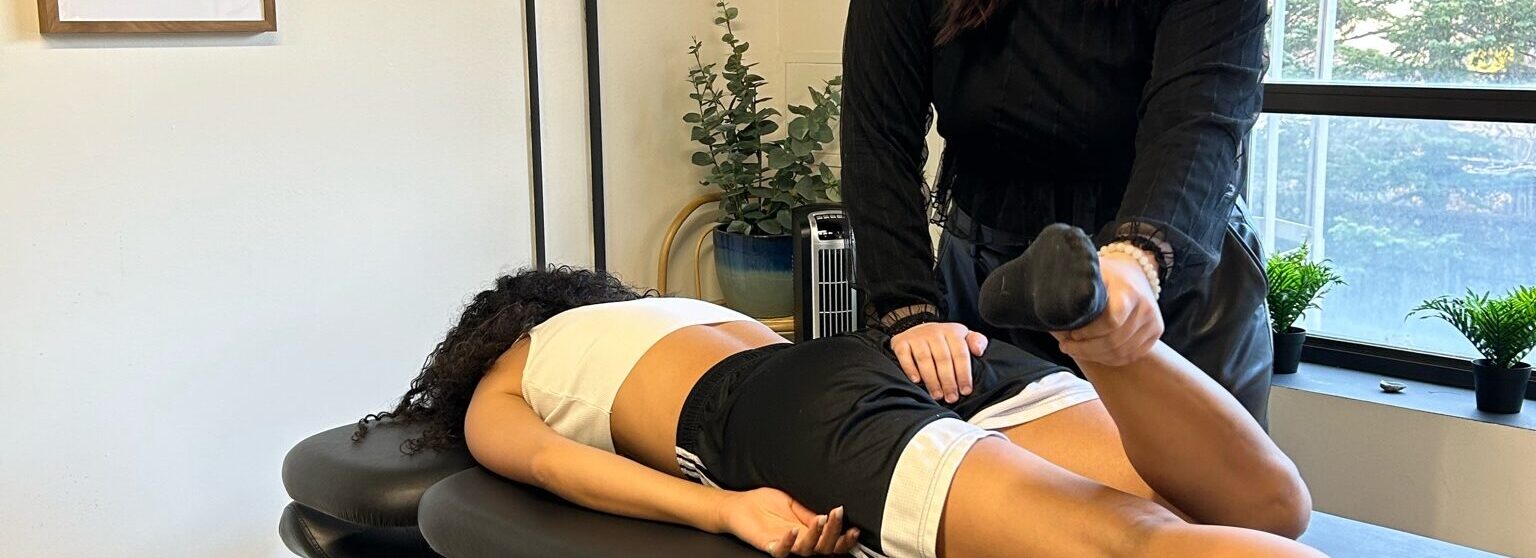
What is Pelvic Physiotherapy?
Pelvic Physiotherapy is a specialized form of physiotherapy that focuses on the muscles, joints, and tissues of the pelvic floor and core. It can help with concerns like pelvic pain, incontinence, prolapse, postpartum recovery, painful intercourse, and core dysfunction.
At For Health’s Sake, we have therapists who work exclusively with female clients, and others who treat both male and female clients. People book pelvic physiotherapy to address symptoms, prepare for or recover from childbirth, improve pelvic floor strength, or simply feel more comfortable and confident in their bodies.
Pelvic Health Physiotherapy at FHS is for people experiencing one or more of the following:
- Urinary incontinence
- Frequent urination (more than 8 times a day)
- Bowel issues – diarrhea, constipation, incontinence, straining
- Pelvic pain (e.g. vaginal, rectal)
- Pressure in the pelvic region
- Pain with intercourse (during or after)
- Low back pain, especially if it is persistent (pain lasting for 3-4 months) or recurring (comes and goes)
- Breathing difficulties such as shortness of breath not related to issues in the lungs (e.g. asthma, COPD, chronic bronchitis, etc.) with exercise or at rest, heaviness in chest, or fast breathing (e.g. with anxiety or panic attacks)
- Tension in neck and shoulders, especially if it is persistent (pain lasting for 3-4 months) or recurring (comes and goes).
- A diagnosis of diastasis recti, vulvodynia, vestibulodynia, vaginismus, dyspareunia (painful intercourse), interstitial cystitis, endometriosis, pudendal neuralgia, chronic pelvic pain, levator ani syndrome, piriformis syndrome, coccydynia, proctalgia fugux, urethral syndrome, bladder pain syndrome, bladder sphincter dysenergia
- Pregnancy (while pregnant and postpartum)
Other Info
More Info on Pelvic Floor Physiotherapy
The Pelvic Health Physiotherapist will take a multimodal approach to assessing and treating your issue(s) and/or pain. The assessment may involve an internal (vaginal and/or rectal) examination depending on the issue and your comfort with this type of exam day one. An internal exam is the only way we can truly assess the status of the pelvic floor muscles (tight, tender, weak). Treatment differs depending on the status of these muscles. If they are tight, we have to work on relaxing them, which may include some internal myofascial work, education, and home exercises. If they are weak, we need to work on activation, strength, and endurance of the pelvic floor muscles, which may include some education and home exercises.
Treatments may include: soft tissue/myofascial techniques internally (vaginal and/or rectal) and/or externally, core exercises (strengthening, lengthening, or endurance), breathing exercises, functional exercises with core engagement (squatting, bending, running, lifting, etc), and joint mobilization, and acupuncture as necessary.
Pelvic pain is no joke. The pelvic area is an important part of the body that serves many purposes, especially for women. Pelvic pain can happen at different points throughout your menstrual cycle, during pregnancy, after giving birth, and even as a result of an underlying condition. Some pelvic conditions may also result in painful intercourse or infertility issues.
Dealing with pelvic pain alone can be very confusing and scary, but luckily, it can be addressed and possibly fixed through pelvic floor rehabilitation at For Health’s Sake in Downtown (Queen St West), Leslieville (Queen St East) and Kingsway (Etobicoke).
If you or a loved one are struggling with pelvic pain, you may benefit from pelvic floor therapy. Contact our office today for more information!
What Does Pelvic Floor Therapy Focus On?
Pelvic floor therapy focuses on strengthening the ligaments, tendons, and muscles of the pelvic floor. When muscles in the pelvic area become tight or weak, your daily life can be negatively impacted, because this region helps in supporting the core of your body and is a key part of everyday movement.
Our Downtown (Queen St West), Leslieville (Queen St East) or Kingsway (Etobicoke) physiotherapist will take a look at your medical history, and conduct a thorough examination to decide what type of treatment you’ll need. This may include stretches, ultrasound therapy, manual therapy, and at home exercises to reduce pain and strengthen or loosen your pelvic muscles, depending on your condition.
How Can I Get Started?
Pelvic floor rehabilitation is important, and can benefit people from all walks of life. Here at For Health’s Sake, we want you to be able to live your life comfortably. If you are suffering from pelvic pain, don’t wait any longer to contact us, we have pelvic physiotherapists at our Downtown (Queen St West), Leslieville (Queen St East) and Kingsway (Etobicoke) clinics.
We’ll help relieve your pelvic pain condition so you can get back to living your life. Give us a call today!Pelvic Physiotherapy is a specialized form of physiotherapy that focuses on the muscles, joints, and tissues of the pelvic floor and core. It can help with concerns like pelvic pain, incontinence, prolapse, postpartum recovery, painful intercourse, and core dysfunction.

Nicole Kirby
Hello! My name is Nicole, and I am a Physiotherapist graduating with a MScPT from The University of Toronto. My passion and vibrancy for physical therapy stems from helping individuals like yourself on their road to recovery. Physical therapy is a broad field with a range of wonderful clinicians and…
Physiotherapist - Downtown, Leslieville
Sophie Mason
Hi! I’m Sophie. I have been working as a physiotherapist and pelvic health therapist since graduating with my Master of Physical Therapy from Western University. Inspired by the resilience of the human body, I aim to create a positive rehabilitation journey for every client. I take a holistic approach to…
Physiotherapist - Downtown