Low back pain is one of the most common areas of pain in the body, and has been the lead cause of global disability for the past 30 years, with 60-80% of people reporting it over their lifetime. While there are many causes of low back pain, the majority of causes are non specific and require a case by case approach to reduce pain and improve movement/function.
Specific Common Causes
Below are specific structures in the back that can be injured. These account for only 10% of all cases
- Muscle strain: doing too much of an activity without being prepared
- Disc herniation: bulging of a disc in the low back due to increased stress over time or an acute event like heavy lifting
- Nerve pain: this can be due to a bulging disc or an irritated joint in the spine pressing on the nerves that exit the spine
- Ligament sprain: overstretching of ligaments that connect the bones in the spine together
Specific vs. Non Specific
- Non specific low back pain: meaning that which has no identifiable causes accounts for over 90% of all cases
- Imaging like xrays and MRI’s do not often change what treatments will be used to reduce pain
- Serious conditions like major nerve compression account for 1-2% of cases, but should always be screened by a physiotherapist or other medical professional for safety
Physiotherapy Treatments
- Because most low back pain is not due to a serious cause, it can be treated with Physiotherapy!
- The majority of low back pain responds well to exercise
- No one form of exercise has been found to be best but exercise has shown to be the best long term strategy to reduce pain in the low back
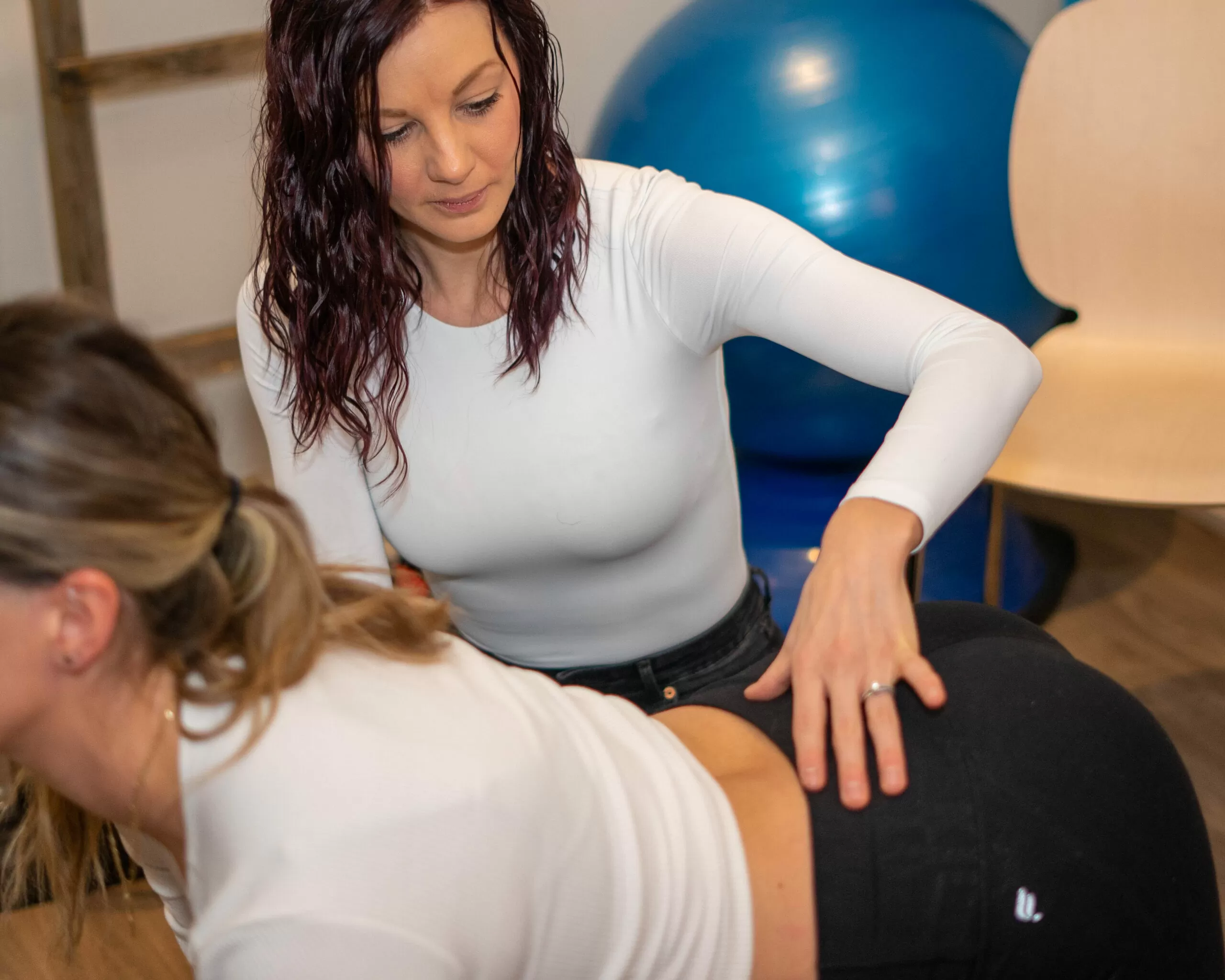
- A knowledgeable physiotherapist will be able to work with you select movements that help reduce pain and improve strength, mobility and overall function based on your goals
- In the acute phase treatments like massage, joint mobilizations and modifying activities are helpful until full function is improved
Food For Thought
- People with low back pain show less efficient responses to the normal pain reduction response we get from exercises. This means starting slow and allowing gradual increase in exercise is critical
- The best exercise for Low back Pain is the one you can be consistent with
- Resting is not the best option for the majority of low back pain
Book your physiotherapy appointment with our caring and patient centric physiotherapists at For Health’s Sake today to start reducing your back pain!
References
Van Tulder M, Furlan A, Bombardier C, Bouter L; Editorial Board of the Cochrane Collaboration Back Review Group. Updated method guidelines for systematic reviews in the cochrane collaboration back review group. Spine (Phila Pa 1976). 2003 Jun 15;28(12):1290-9
Vaegter, HB, Petersen, KK, Sjodsholm, LV, Schou, P, Andersen, MB, Graven-Nielsen, T. Impaired exercise-induced hypoalgesia in individuals reporting an increase in low back pain during acute exercise. Eur J Pain. 2021; 25: 1053– 1063. https://doi.org/10.1002/ejp.1726
https://www.physio-pedia.com/Low_Back_Pain
By: Elias Peixoto, Physiotherapist Resident