
Maggie Keats, RMT
I am sure many of you have seen those dramatic “before and after” abdomen photos on social media after someone receives a Brazilian Lymphatic Drainage (BLD) treatment. Being certified in Manual Lymphatic Drainage (MLD), I have been curious about this treatment. I have also had patients ask me about the benefits of Brazilian Lymphatic Drainage and the difference between these two treatments. This is what inspired me to take a BLD course. So let’s explore the similarities, differences, and benefits of BLD and MLD.
Our lymphatic system has several jobs to help with our health and well-being. Its roles include maintaining fluid balance, helps remove waste, supports the immune system, and transports dietary fats and vitamins from our gastrointestinal tract. Typically, our lymphatic system works well. Even though this system has no “pump” to move lymph fluid, our movements like walking, exercise, and diaphragmatic breathing are enough to keep things flowing. However, there may be instances when your body needs a bit a help. Examples include inactivity, post-surgery, after an infection, and after an injury.
Manual Lymphatic Drainage Massage (MLD)
Manual lymphatic drainage is a light-pressure technique that helps to stimulate lymph flow. While there are different styles of MLD including Vodder, Foldi, Casley-Smith, and Leduc, they use gentle movements to stretch and move the skin in the direction of lymph flow. Incorporating myofascial stretching can also be incorporated into the treatment to help release areas of restriction that may affect the flow of lymph.
Brazilian Lymphatic Drainage Massage (BLD)
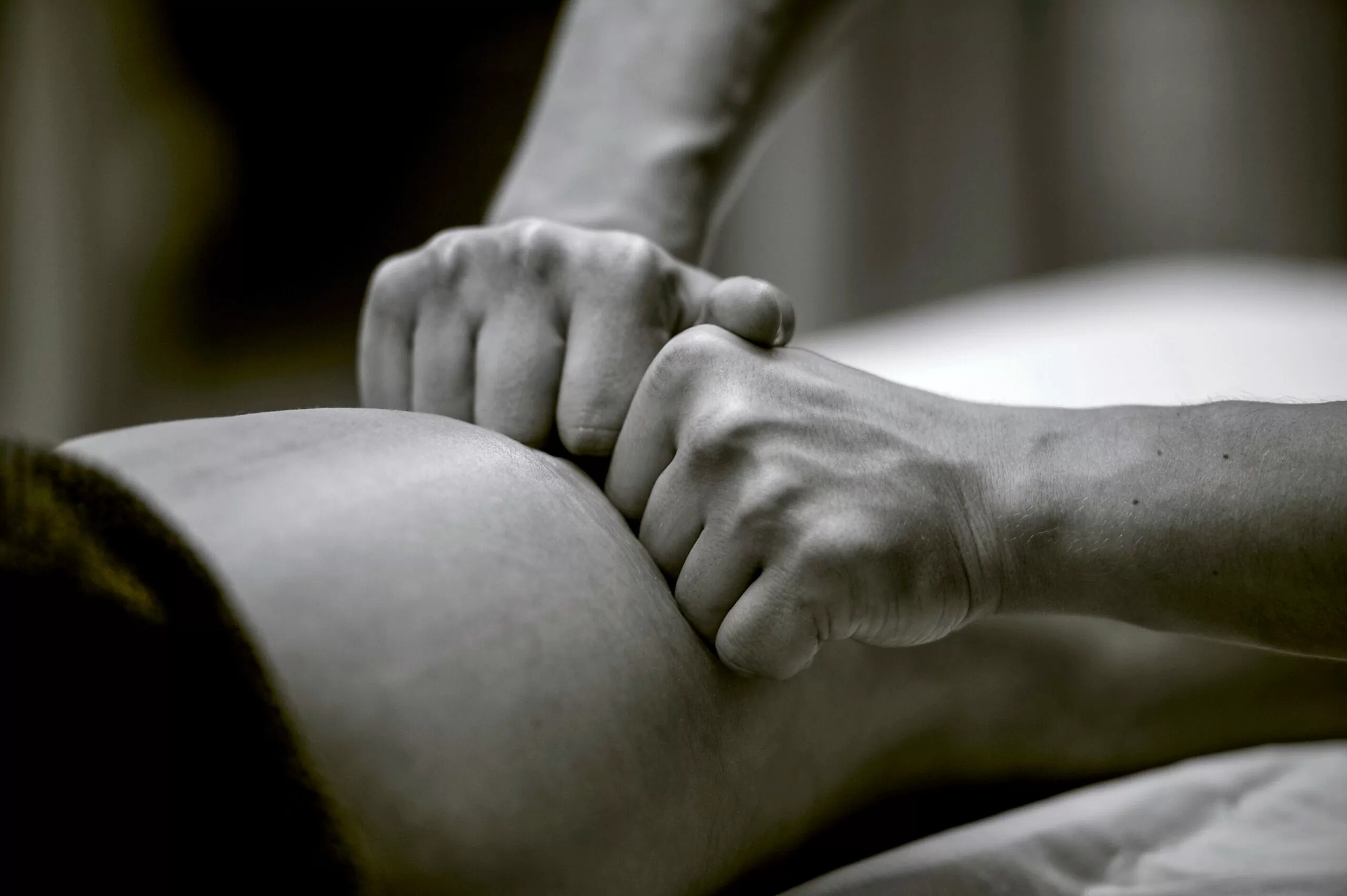
Brazilian lymphatic drainage blends traditional lymphatic drainage massage techniques with contouring and myofascial release to help address bloating, puffiness, and help reduce the appearance of cellulite. While typically sought out for its esthetic benefits, a BLD treatment helps you to feel good too.
How Both Treatment Styles Can Help You
Both styles of treatment help promote wellness. They are both indicated for constipation, reduced water retension, and stress reduction. However, each has its own benefits.
MLD is indicted when treating lymphedema (a chronic condition in which there is a deficiency in the lymphatic system), lipedema (a chronic condition affecting fatty tissue that creates fluid buildup), venous insufficiency, as well as post-surgery edema.
Some of the benefits of BLD are improve skin elasticity, decreased appearance of cellulite, and body contouring.
While BLD can be used after coolsculpting, MLD is recommended immediately after elective surgeries such as liposuction, tummy tucks, and breast reconstruction. Any body contouring from BLD should be done 3 months after surgery.
If you have any questions or are interested in either of these treatments, contact our team at For Health’s Sake or visit our website.