Do you or someone you love have flat feet? You’re not alone, about 20% of the population lives with flat feet! Flat feet or pes planus is a highly debated topic. It’s unclear whether or not doctors, physiotherapists, and other healthcare providers need to correct this condition. We’re here today to help reduce some of that uncertainty and teach you more about your arches (or lack thereof).
When it comes to the human body, there are no two alike. Each individual has small variations in their anatomy which influence whether or not we experience pain with certain activities or postures. If we zoom in our feet, you’ll find 26 bones, 10 major tendons, and more than 30 joints! There’s a lot of opportunity for variation. On top of that there are various classifications of pes planus: symptomatic or asymptomatic (meaning that it may or may not cause pain), congenital or acquired (i.e., you’re born with it, or you developed it later in life), and finally, it can be flexible or rigid (i.e., the shape of your arch changes with weight bearing). In flexible flat foot, your medial longitudinal arch (found on the inside middle third of the foot) will collapse (flatten) when you are in standing. In rigid flat foot, the arch remains collapsed regardless of whether you’re standing or not!
Ok, so how do I know if I have flat feet?
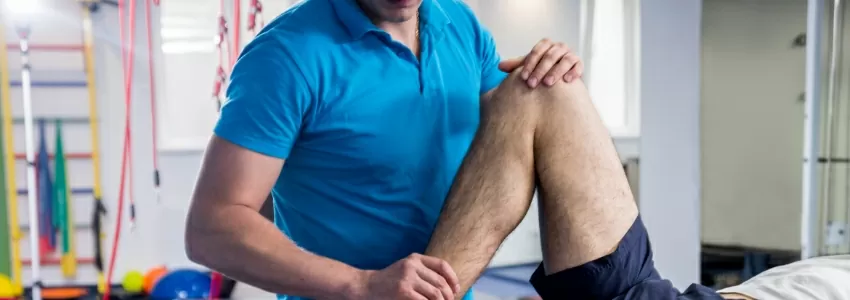
Physiotherapists and other health care professionals can perform a visual exam and a variety of tests to help you determine if you have flat feet. At for Health’s Sake we like to get a detailed history of your symptoms and better understanding of how it is impacting your work and daily activities.
Who gets flat feet?
Our bodies are constantly changing throughout our lives and while flat feet can be something you are born with it can also be acquired later in life. Some causes can include:
- Dysfunction of muscles in your lower leg and foot
- Weakness of intrinsic muscles in your foot
- Foot or ankle injuries (e.g., fractures, ligament tear)
- Pregnancy
- Obesity
- Rheumatoid arthritis
- Genetic
- Conditions that affect connective tissue (e.g., Ehlers-Danlos syndrome)
- And other specific health conditions (e.g., Charcot’s foot, polio, cerebral palsy)
Can I reverse my flat feet?
Flat feet cannot be reversed. There are few cases where someone may be recommended surgery by a doctor, but these cases are complex and often involve significant deformity of the foot that prevents the individual from walking. If you currently have flat feet and are experiencing pain there are solutions to help you. Our physiotherapists at For Health’s Sake can implement the following treatments:
- Manual therapy – To help loosen tight muscles/reduce tension, mobilize joints, and which may be contributing to pain.
- Strengthening – We will prescribe you exercises specifically tailored to help you build resilient feet so you can go and run that marathon or climb that mountain.
- Taping and bracing – These are great short term solutions to minimize pain and offer a bit of support to your feel.
- Footwear recommendations – We will happily take a look at the type of shoes you’re currently wearing and provide recommendations based on our assessment.
Can I just use orthotics to help with my foot pain?
Orthotics are designed to help temporarily reduce pain while your body is recovering from an injury, whether that is traumatic or atraumatic. However, from the evidence we currently have available it’s unclear whether orthotics really make any difference in pain for individuals with flat feet when used long term. Our suggestion is this: if you like ’em wear ’em but if you want to save a few dollars you won’t be missing out on much. Once the pain subsides your best bet is to start exercising. A physiotherapist will listen to your concerns, examine your feet, and help develop a treatment plan centered around your goals, activities, and interests.
Build strong, resilient, and pain free feet with physiotherapy today!
Flat feet are only a problem if you are currently experiencing pain! Fortunately, if you have flat feet and are experiencing pain, our team at For Health’s Sake is determined to help manage your pain and provide you with tools to make lasting, positive changes.
By: Olivera Kralj, Physiotherapist