
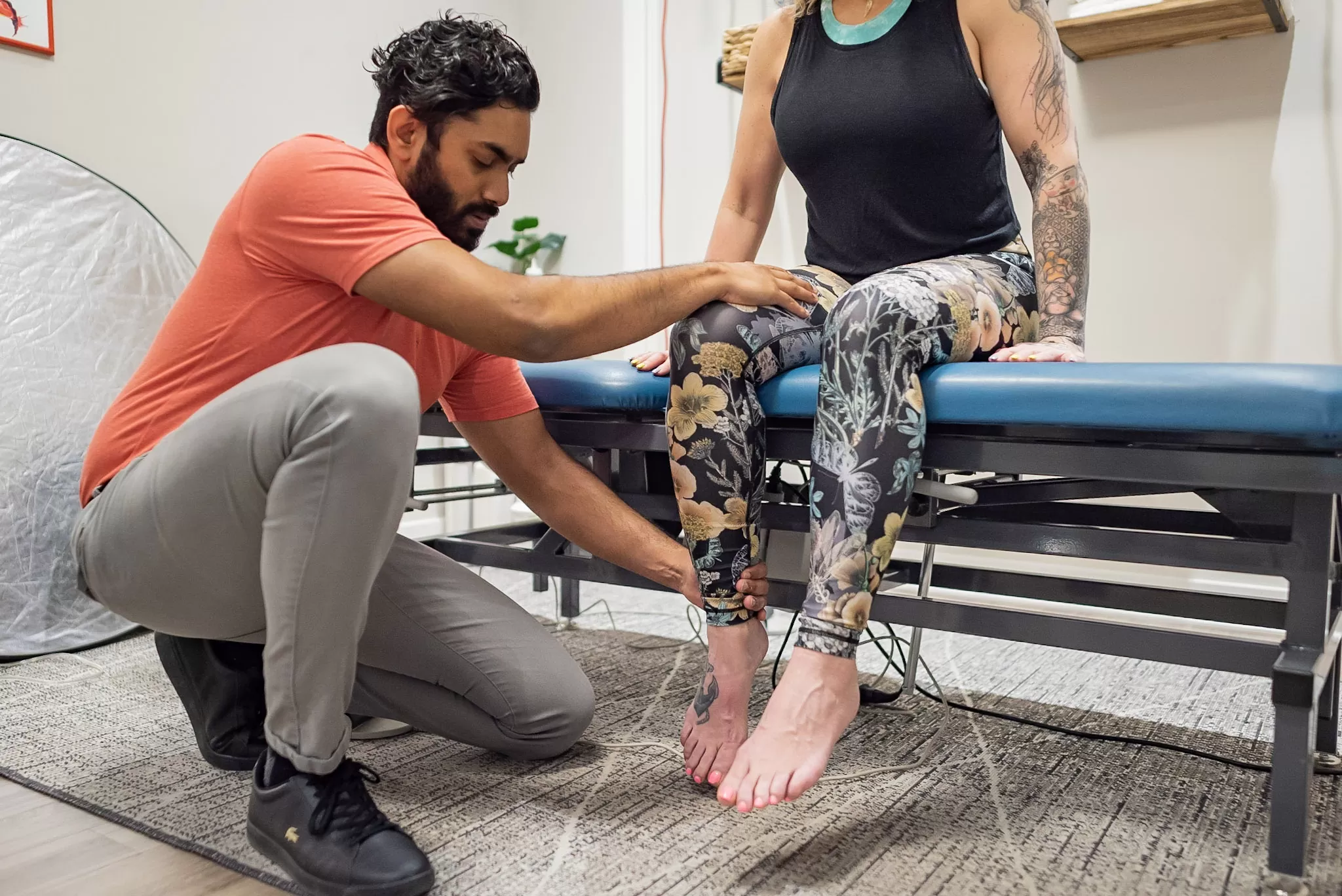
Running is among the most common ways to get some cardiovascular fitness into your daily routine. As spring approaches, you might be considering getting back to running. If you’re new to running, returning after a long break, or looking to increase your mileage quickly here are some injuries to be look out for:
Common Running Injuries
- Shin Splints-also known as Medial Tibial Stress Syndrome are felt typically as a dull pain along the lower ⅔ of the shin bone and gets better with rest
- Achilles tendinopathy
Felt in the achilles tendon and usually improves as you warm up
Over time can lead to changes to the tendon such as thickening
- Iliotibial Band Pain
Typically felt as pain along the outside of the knee
Typically caused by Irritation of the IT band and weakness or dysfunction of the gluteus and tensor fascia latae muscles
- Plantar fasciitis
Pain and inflammation to the fascia on the bottom of the foot, especially in the morning time as you take your first steps of the day
- Patellofemoral pain
Knee pain that increases with impactful activities like running for distance or repetition bending of the knees
Who is at Risk?
- Runners who have no prior experience
- Runners who have just increased their distances, speeds or overall training days
- Runners with weakness in their hips, knees, or ankles
Preventing Running Injury
- Consulting with a physiotherapist to modify your training volume, frequency or intensity at the onset of pain is a helpful strategy
- Slowly ramping up your training over time
- Focusing on proper recovery: good sleep, adequate nutrition and hydration.
Rehabbing Running Injuries
- A time of reduced running volume is helpful while focusing on rebuilding tolerance to running movements
- Strengthening of the calf, quadriceps and hamstrings, as well as the hip muscles like the gluteals is helpful
- Modifying running technique: increasing step rate and decreasing long strides can be helpful.
When it comes to running injuries, each case needs a tailored approach to get you back to running. Book in today to see a Physiotherapist at For Health’s Sake who can help you run pain free or get back to running while preventing pain.
References
Lauersen JB, Andersen TE, Andersen LB. Strength training as superior, dose-dependent and safe prevention of acute and overuse sports injuries: a systematic review, qualitative analysis and meta-analysis. Br J Sports Med. 2018 Dec;52(24):1557-1563. doi: 10.1136/bjsports-2018-099078. Epub 2018 Aug 21. PMID: 30131332.
By: Elias Peixoto, Physiotherapist Resident