
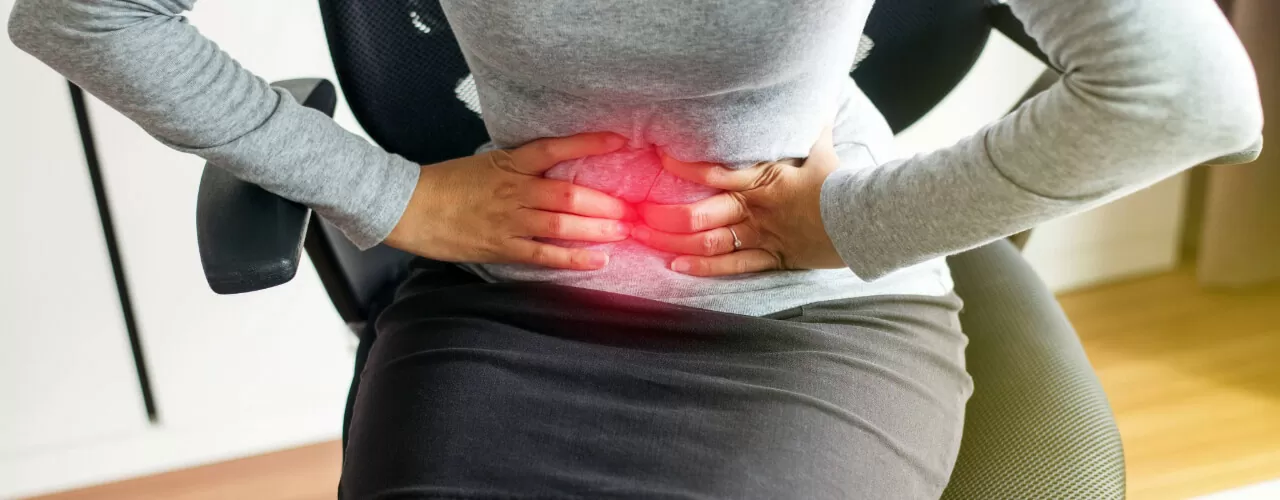
Many people experience pelvic pain that interferes with daily life, yet it’s often misunderstood or left untreated. It can affect simple movements like sitting, standing, or exercising, making routine activities uncomfortable. Some people assume pelvic pain is a normal part of aging, pregnancy, or an active lifestyle, but persistent pain is a sign that something isn’t functioning properly. Fortunately, physiotherapy for pelvic pain offers a safe, evidence-based way to reduce discomfort, improve mobility, and restore strength.
Whether the pain is caused by muscle tightness, joint issues, or nerve irritation, physiotherapists use targeted treatments to relieve symptoms and prevent long-term problems.
Common Questions About Pelvic Pain and Physiotherapy
1. What Causes Pelvic Pain?
Pelvic pain can come from many sources, including muscle imbalances, postural issues, past injuries, or nerve-related conditions. Some common causes include:
- Muscle tightness or weakness in the lower back, hips, or pelvic floor.
- Joint dysfunction in the sacroiliac (SI) joint or pubic symphysis.
- Pregnancy and postpartum changes that strain pelvic muscles and ligaments.
- Surgical recovery following abdominal or pelvic procedures.
- Pelvic nerve irritation that leads to sharp, radiating pain.
Without proper treatment, these issues can lead to chronic discomfort, mobility restrictions, and compensation patterns that worsen pain over time.
2. How Can Physiotherapy Help With Pelvic Pain?
Physiotherapy for pelvic pain helps by identifying the root cause of pain and addressing movement dysfunctions. Physiotherapists use a combination of:
- Manual therapy to improve joint mobility and relieve muscle tension.
- Pelvic stabilization exercises to strengthen the core and reduce strain on the pelvis.
- Postural retraining to correct alignment and reduce pressure on sensitive areas.
- Gentle stretching and mobility drills to improve flexibility.
- Education on proper movement patterns to prevent recurrent pain.
By restoring proper function and movement, physiotherapy helps patients recover naturally and reduces reliance on pain medication.
3. Do I Need a Referral to See a Physiotherapist for Pelvic Pain?
In most cases, you do not need a doctor’s referral to see a physiotherapist. Direct access to physiotherapy allows patients to seek treatment early and prevent pain from becoming a long-term issue. However, if pelvic pain is linked to recent surgery, a medical condition, or a complex injury, consulting a doctor first may be beneficial.
4. What Should I Expect at My First Physiotherapy Appointment?
Physiotherapy for pelvic pain is personalized based on each patient’s condition and lifestyle. During the first visit, the physiotherapist will:
- Take a detailed history of symptoms, daily activities, and past injuries.
- Assess posture, flexibility, and strength to identify imbalances.
- Perform functional movement tests to see how pain affects mobility.
- Develop a customized treatment plan that may include manual therapy, exercises, and patient education.
The goal is to relieve pain, restore function, and prevent future discomfort with a structured recovery plan.
5. How Long Does It Take to See Results from Physiotherapy?
The timeline for recovery depends on the severity and cause of pelvic pain. Many patients notice improvements in pain levels, mobility, and strength within the first few sessions. Long-term relief requires consistent physiotherapy for pelvic pain sessions and commitment to home exercises.
How For Health's Sake Helps Patients Manage Pelvic Pain
At For Health's Sake, we take a comprehensive, patient-focused approach to treating pelvic pain. Our physiotherapists use:
- Detailed movement assessments to pinpoint the exact cause of discomfort.
- One-on-one manual therapy sessions to relieve muscle and joint restrictions.
- Customized exercise programs to improve strength, flexibility, and stability.
- Patient education on movement and posture to prevent future pain.
By focusing on long-term recovery, not just temporary relief, our team helps patients regain confidence in movement and enjoy daily activities without pain.
Pelvic pain doesn’t have to control your life—physiotherapy for pelvic pain provides the tools to reduce discomfort, restore movement, and improve strength. The sooner you start treatment, the better the outcome.
If you’re struggling with pelvic pain, book an appointment at For Health's Sake today. Our physiotherapists are here to help you move freely and feel better.